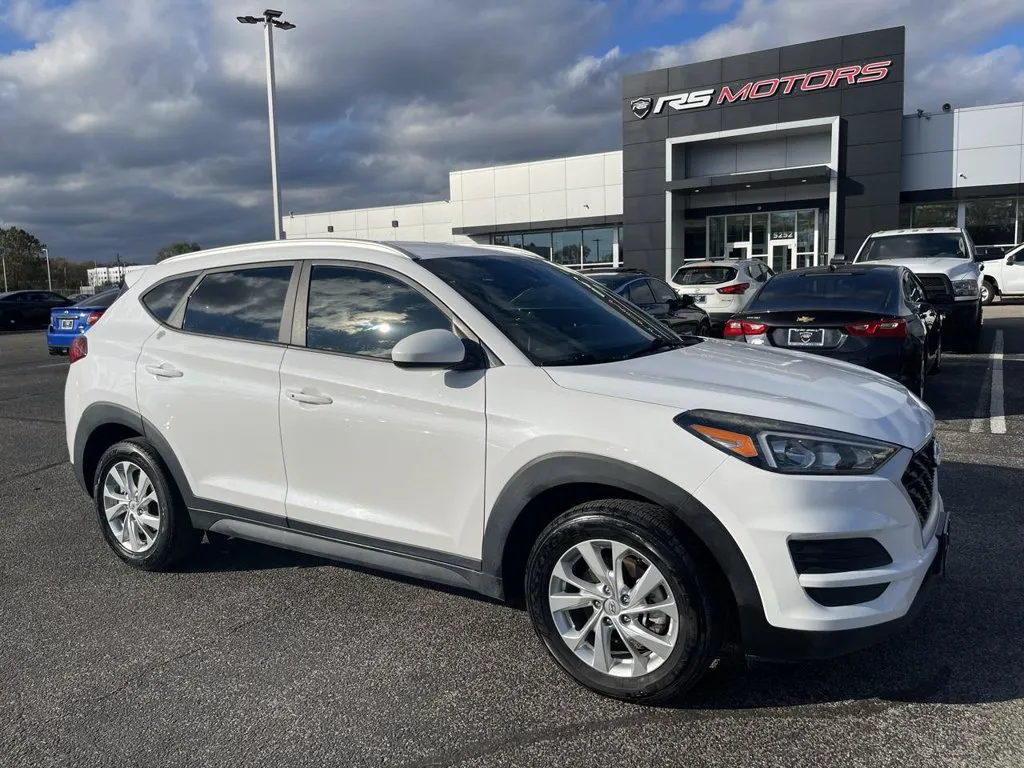
Hybrid Vehicles in Indianapolis: What Drivers Should Know Before Making the Switch
As drivers look for ways to spend less time and money at the gas station, hybrid vehicles have become an increasingly popular option. By combining a traditional gasoline engine with an electric motor, hybrids offer a different approach to everyday driving without requiring drivers to rely entirely on electric power.
For Indianapolis drivers, a hybrid can be worth considering for daily commutes, trips around the city, and longer drives across Indiana. However, not every hybrid is built the same, and factors such as driving habits, battery condition, vehicle size, and ownership costs should all play a role in the decision. If you're exploring hybrid vehicles in Indianapolis, here's what to understand before choosing your next car or SUV.
How Do Hybrid Vehicles Work?
A traditional hybrid vehicle uses two sources of power: a gasoline engine and an electric motor. The vehicle's system manages how these power sources work together, switching between them or using both when additional power is needed.
Many conventional hybrids can operate at lower speeds using electric power alone for short periods, while the gasoline engine handles other driving conditions. The battery also recharges through a process called regenerative braking, which captures some of the energy normally lost when slowing down. Unlike a fully electric vehicle, a conventional hybrid does not need to be plugged into an outlet or charging station. Drivers refuel it with gasoline just like a traditional vehicle.
Hybrid vs. Plug-In Hybrid
It's important to understand the difference between a conventional hybrid and a plug-in hybrid (PHEV). While both combine gasoline and electric power, they operate differently.
Conventional hybrid: Uses a gasoline engine and electric motor, with the battery recharging through the vehicle's system. It does not require external charging.
Plug-in hybrid: Has a larger battery that can be charged using an external power source. It can typically travel a longer distance on electric power alone before relying on its gasoline engine.
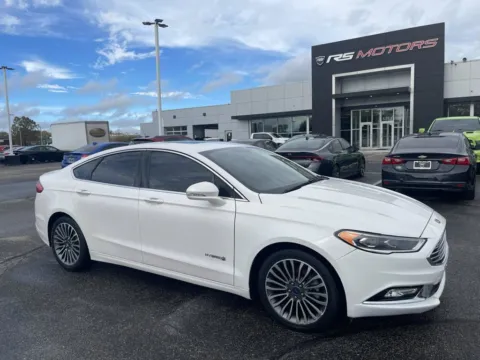
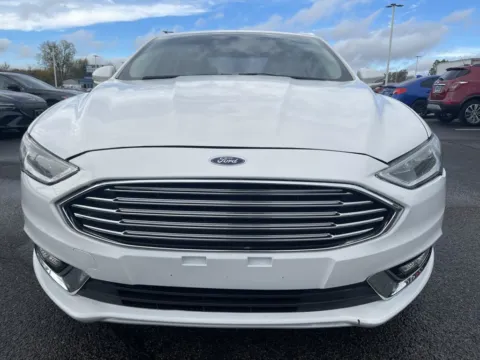
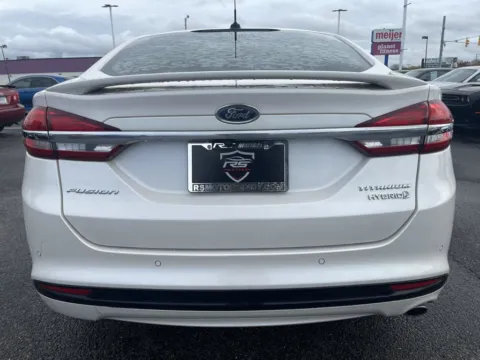
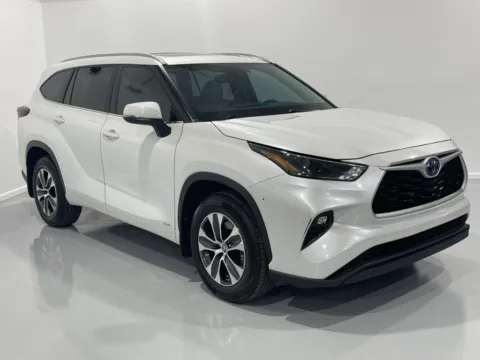
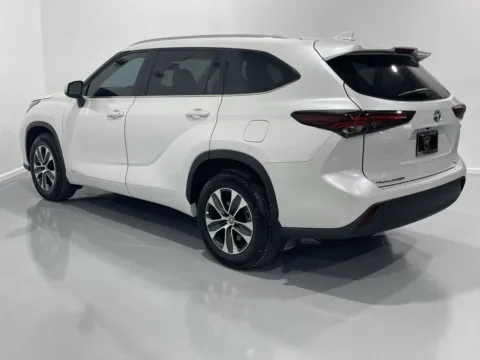
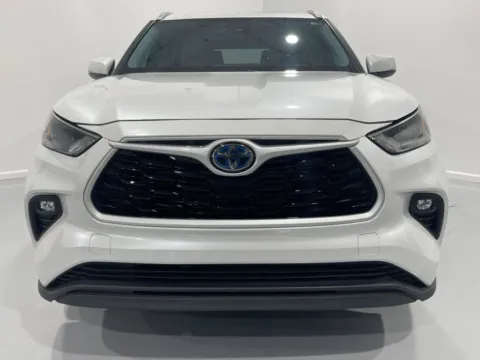
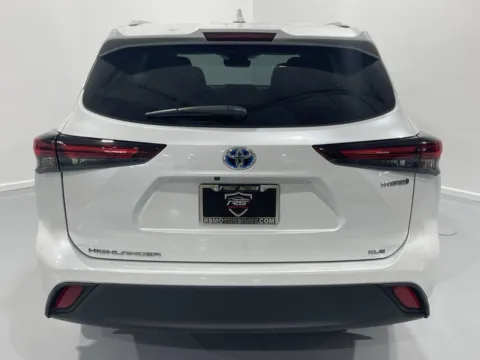
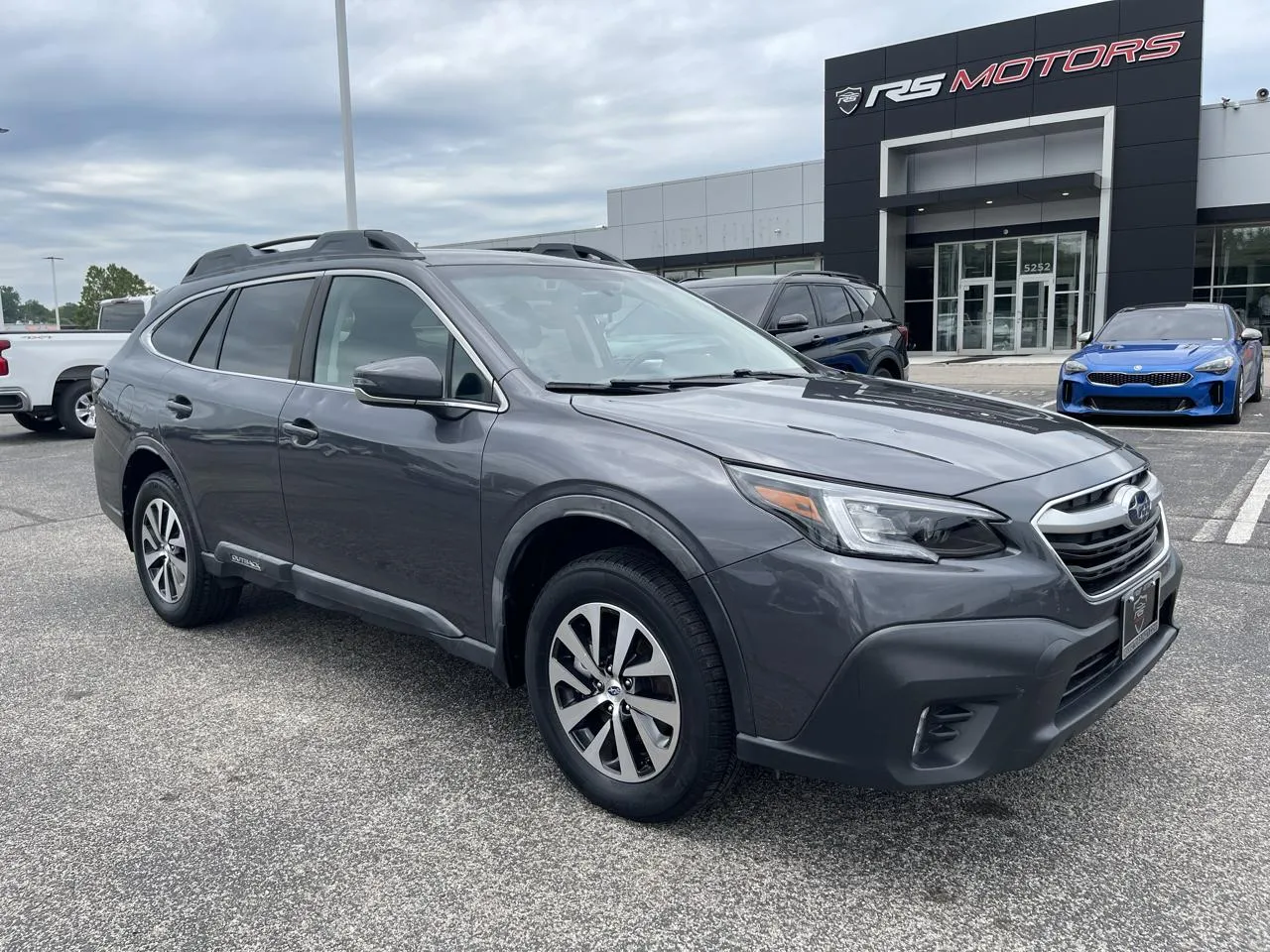
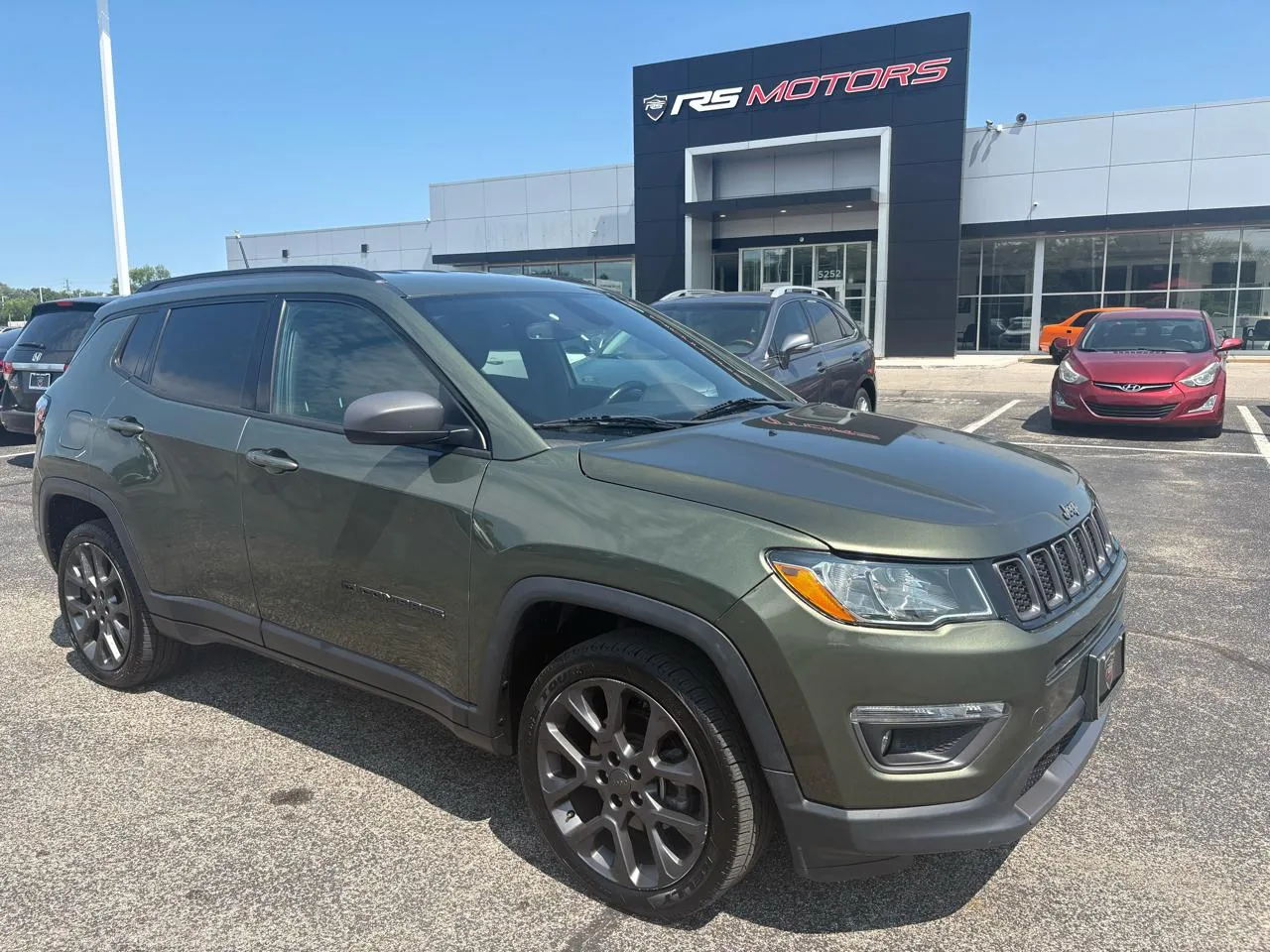
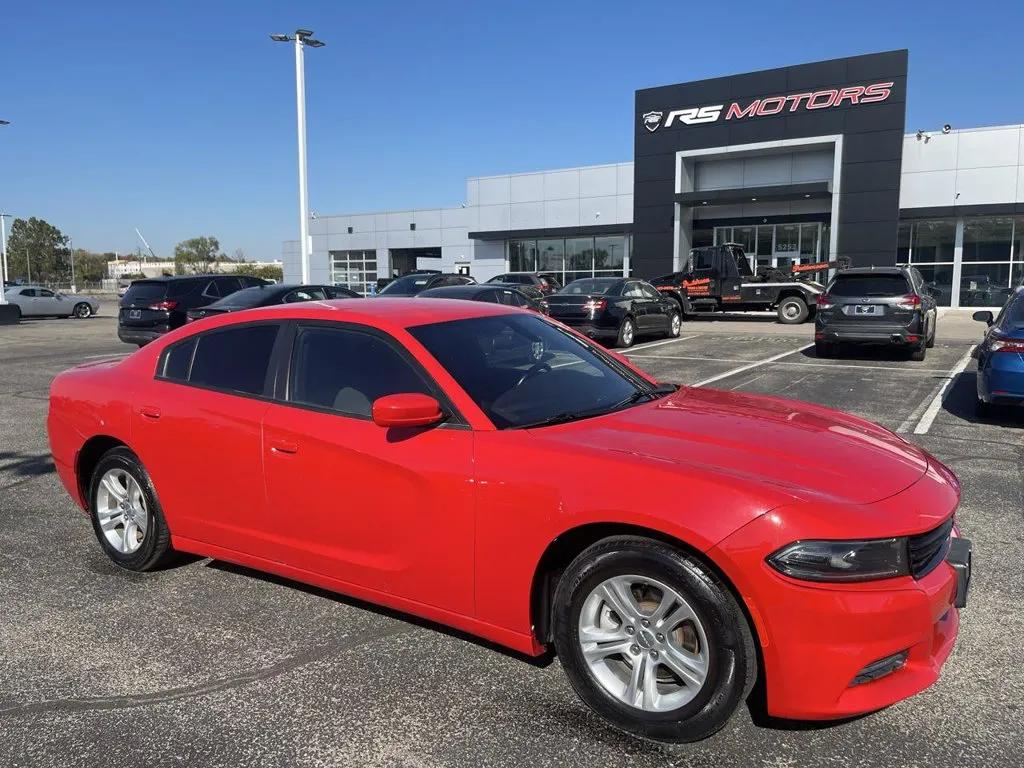
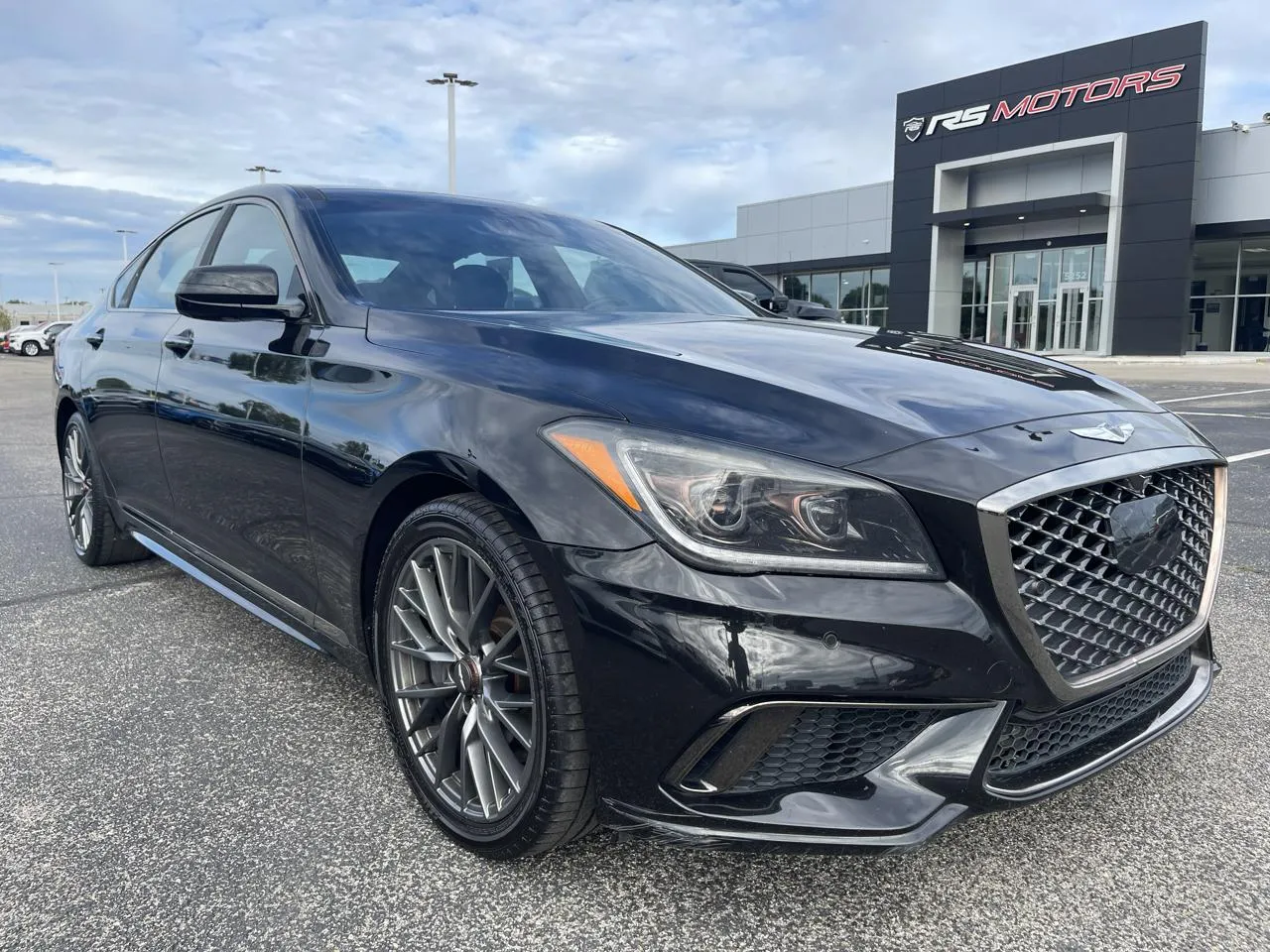
Understanding this distinction can help you decide which type fits your lifestyle. Drivers who don't want to think about charging may prefer a conventional hybrid, while those with access to home or workplace charging may want to explore plug-in options. Browse the Hybrid cars in our inventory here:
Why Consider a Hybrid for Driving Around Indianapolis?
Driving in and around Indianapolis can involve a combination of stop-and-go traffic, highway commuting, and shorter trips through surrounding communities. Hybrid technology can be especially useful in certain driving conditions, although actual fuel economy depends on the vehicle and how it is driven.
Potential Fuel Savings During City Driving
One of the main reasons drivers consider hybrids is their potential to use less gasoline. In many conventional hybrids, the electric motor can assist the gasoline engine or power the vehicle at lower speeds. This can make them particularly efficient in stop-and-go traffic, where traditional vehicles may spend more time idling and repeatedly accelerating.
For people commuting through downtown Indianapolis, traveling along 38th Street, or making frequent trips around the city, this can be an appealing advantage. However, highway fuel economy varies by model, and some hybrids deliver their greatest efficiency benefits in city driving rather than at sustained highway speeds.
A Familiar Driving Experience
Switching to a hybrid doesn't necessarily mean changing your entire driving routine. Conventional hybrids still use gasoline, so there's no need to plan trips around charging stations or install a home charging setup. This can make a hybrid a practical option for drivers who want to explore improved fuel efficiency while keeping the convenience of a traditional gas-powered vehicle.
Options for Different Driving Needs
Hybrid technology is available in several types of vehicles, including compact sedans, midsize cars, and SUVs. That gives shoppers flexibility when deciding what matters most to them. Someone with a daily commute may prioritize a comfortable and efficient sedan, while a household that needs additional passenger or cargo space may prefer a hybrid SUV. The right choice depends on how the vehicle will be used most often.
What Are the Trade-Offs of Owning a Hybrid?
Although hybrid vehicles offer several advantages, they aren't automatically the best choice for every driver. Understanding the potential drawbacks can help you make a more informed decision.
Purchase Price and Overall Ownership Costs
Some hybrid models may cost more upfront than comparable gasoline-powered vehicles. When shopping for a used hybrid, it's helpful to compare the vehicle's purchase price, mileage, condition, features, and expected fuel savings rather than focusing on fuel economy alone. Your annual mileage also matters. Drivers who spend a significant amount of time on the road may benefit more from improved fuel efficiency than those who primarily take occasional short trips.
Battery Condition and Vehicle History
The hybrid battery is an important part of the vehicle's powertrain. Like other vehicle components, its condition should be considered when purchasing a used model. Before buying, review available maintenance records, ask about the vehicle's history, and consider having the hybrid system evaluated by a qualified professional. Battery life and replacement costs vary by manufacturer, model, age, and usage, so avoid assuming every hybrid will have the same long-term ownership experience.
Cold Weather and Indiana Winters
Indiana winters are another factor worth considering. Cold temperatures can affect battery performance and reduce fuel efficiency in hybrid vehicles, just as winter conditions can affect overall vehicle efficiency in gasoline-powered cars. Short trips, cold starts, cabin heating, and winter driving conditions can all influence how efficiently a hybrid operates. Drivers should also consider the vehicle's tires, drivetrain, ground clearance, and overall condition when preparing for snow and icy roads.
What to Look for When Buying a Used Hybrid
Shopping for a used hybrid involves many of the same considerations as buying a traditional used vehicle, with a few additional areas worth examining. Taking time to compare options can help you find a vehicle that fits your budget and everyday needs.
1. Review the Vehicle's Maintenance History
Ask about available service records and look for evidence of routine maintenance. Pay attention to any reported issues involving the engine, transmission, battery, or hybrid system. A vehicle history report can also provide useful information about reported accidents, ownership, and other available records.
2. Understand the Hybrid Battery
Battery condition is an important part of evaluating a used hybrid. Ask whether the battery has been inspected, whether any warning lights or hybrid-system issues have been reported, and whether documentation is available regarding previous repairs or replacement. Battery warranties vary by manufacturer, model year, and location. If warranty coverage is important to your decision, verify the remaining coverage directly with the manufacturer using the vehicle's specific information.
3. Compare Fuel Economy and Everyday Practicality
Not all hybrid vehicles deliver the same fuel economy. A compact hybrid sedan, for example, may have different efficiency ratings and driving characteristics than a larger hybrid SUV. Think about your typical commute, passenger needs, cargo space, and how often you travel on the highway. Comparing the official fuel economy estimates for the specific models you're considering can help set realistic expectations.
4. Take a Test Drive
A test drive is an important opportunity to evaluate how the vehicle feels in everyday conditions. Pay attention to acceleration, braking, steering, cabin comfort, and any unusual noises or warning indicators. Because hybrid vehicles transition between gasoline and electric power, it's also worth paying attention to how smoothly the vehicle operates during acceleration and deceleration.
Finding a Hybrid Vehicle at RS Motors in Indianapolis
If you're considering a hybrid, RS Motors offers an opportunity to explore used vehicle options in Indianapolis. Located at 5252 West 38th Street, RS Motors serves drivers from across the west side of Indianapolis and nearby communities, including Speedway, Brownsburg, and Avon. You can start by browsing the used cars for sale in Indianapolis to explore available options. As you compare vehicles, consider your typical driving habits, preferred vehicle size, budget, and the features that matter most to you.
Planning to finance your next vehicle? You can complete the online credit application to get started. If you currently own a vehicle, RS Motors also accepts trade-ins. Use the online trade-in tool to get an estimate of your vehicle's value. Third-party warranty options are also available. Since coverage varies, be sure to review the specific terms and details of any warranty before making a decision. Whether you're interested in a hybrid sedan or a larger vehicle, taking the time to compare your options can help you find something that makes sense for your daily routine. Visit RS Motors at 5252 West 38th Street in Indianapolis, or call (317) 602-8293 to learn more.
Frequently Asked Questions About Hybrid Vehicles
1. Do hybrid vehicles need to be plugged in?
No, conventional hybrid vehicles do not need to be plugged in. Their batteries recharge through the vehicle's systems, including regenerative braking. Plug-in hybrids are different because they can also be charged using an external power source.
2. Are hybrid vehicles good for driving in Indianapolis?
Hybrid vehicles can be a good option for Indianapolis drivers, particularly those who regularly encounter city traffic and stop-and-go driving. However, fuel economy depends on the model, driving conditions, weather, and individual driving habits.
3. Do hybrid batteries need to be replaced?
Hybrid batteries can eventually lose capacity or require replacement, but their lifespan varies by vehicle, usage, and maintenance. When buying a used hybrid, review available battery information and verify any remaining manufacturer warranty coverage.
4. Are used hybrid vehicles worth buying?
A used hybrid can be worth considering if its condition, maintenance history, purchase price, and expected fuel savings align with your needs. Comparing the battery condition and overall ownership costs is especially important.
5. Can I trade in my current vehicle when buying a hybrid from RS Motors?
Yes, RS Motors accepts trade-ins. You can use the online trade-in value tool to get an estimate before exploring your next vehicle.
Have additional questions? Contact RS Motors or call (317) 602-8293.